Why Compact ADCS Solutions Are Critical for Next-Generation Satellites
Context: Expansion of the Satellite ADCS Market
The global satellite attitude and orbit control system (ADCS) market is experiencing notable growth driven by increasing satellite deployments, satellite miniaturization, and demand for higher precision control solutions. Recent industry analyses project sustained market expansion over the coming decade, reflecting this growing importance across commercial, scientific, and defense sectors.
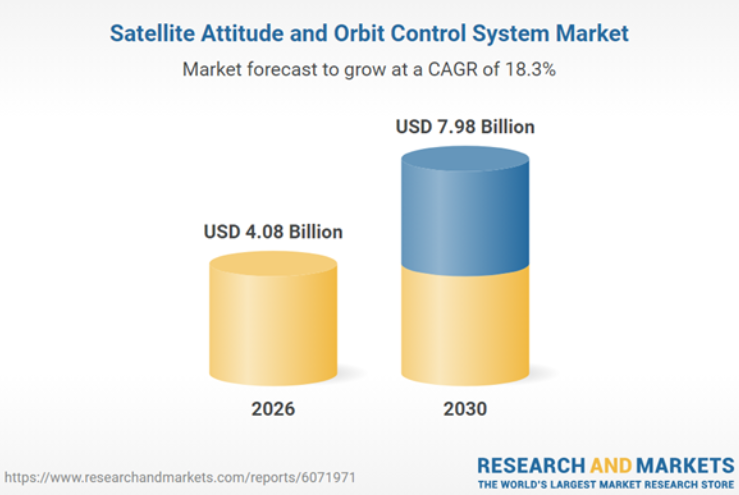
According to market projections, the ADCS sector is expected to grow significantly, from approximately USD 3.44 billion in 2025 to USD 4.08 billion in 2026, with a compound annual growth rate (CAGR) of 18.6 % and continued growth towards nearly USD 8 billion by 2030. Other analyses estimate the market will expand from USD 2.87 billion in 2026 to USD 4.69 billion by 2031, driven by small satellite constellations and autonomous operations.
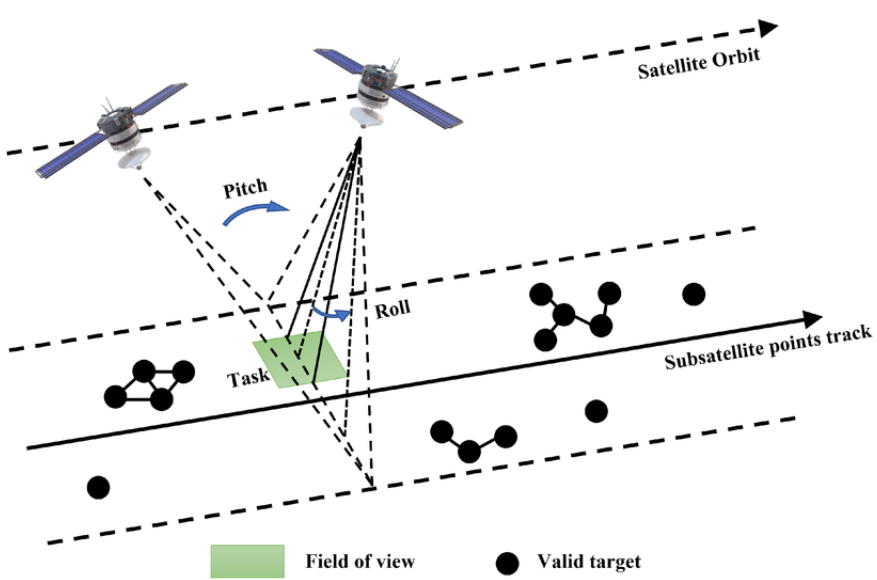
This growth is rooted in the need for precise satellite orientation and navigation, particularly as satellite constellations for communications, Earth observation, and navigation proliferate worldwide. Additionally, the demand for miniaturized and high‑precision ADCS components such as sensors, actuators, and advanced control electronics, continues to increase alongside satellite platform diversification.
Relevance to Our Compact VSCMG ADCS
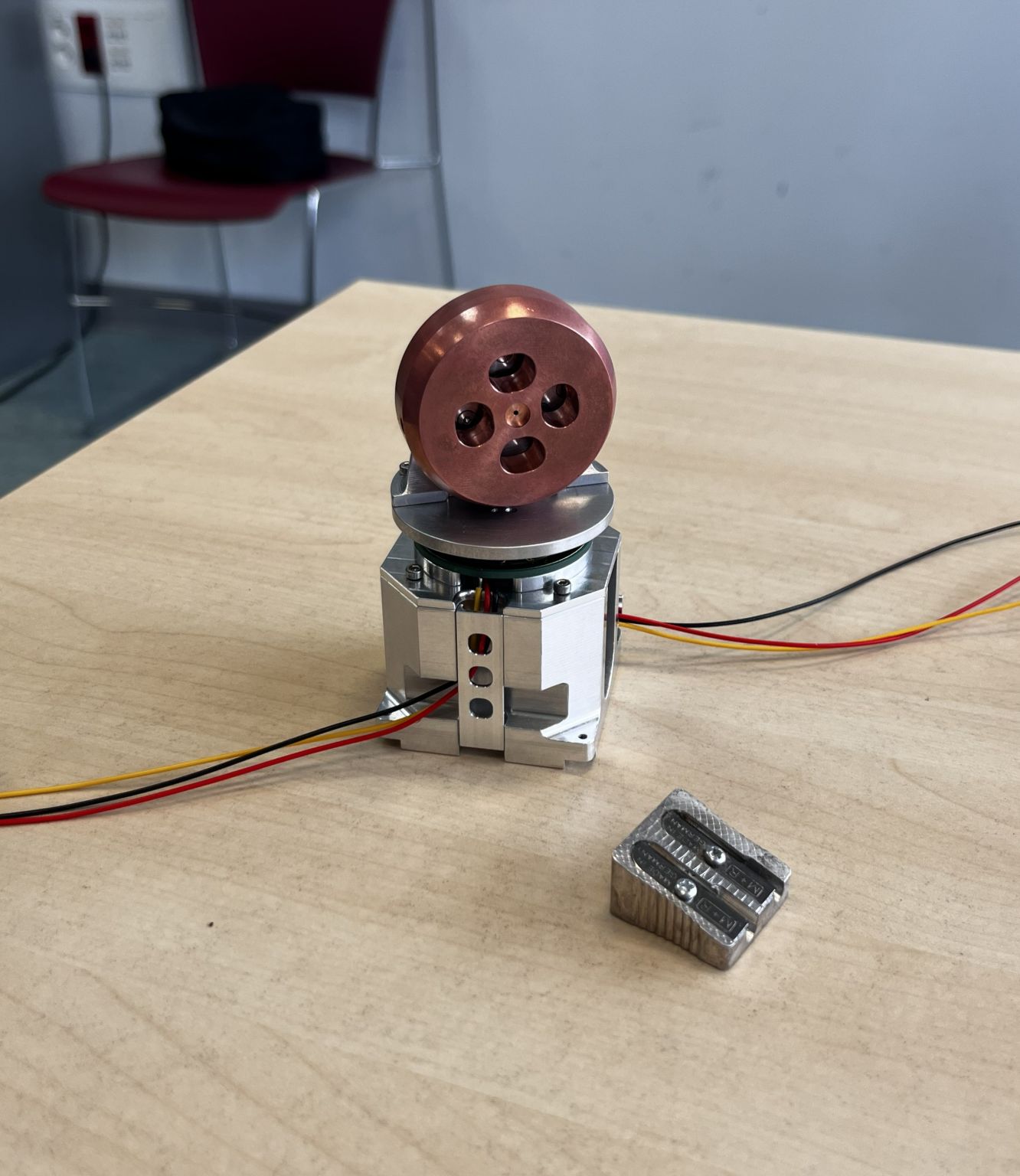
Our solution, a compact attitude control system integrating four Variable‑Speed Control Moment Gyros (VSCMGs) in a 1U form factor, along with onboard computer, motor drivers and sensors occupying a total of 2U, aligns directly with these market trends.
The combination of miniaturization and high-performance control makes VSCMG‑based ADCS solutions particularly suitable for modern, agile satellite missions. Compared to traditional reaction wheels or magnetorquers, VSCMGs can achieve higher torque capacities and greater agility in smaller volumes, a crucial advantage for medium-class satellite platforms.
Key Advantages of a VSCMG‑Based ADCS:
- Enhanced agility and maneuverability, enabling rapid orientation adjustments without reliance on propulsive systems.
- Compact and mass-efficient design, ideal for satellites with tight volume and weight constraints.
- Precise pointing capability, supporting advanced mission objectives such as optical communications, high-resolution imaging, and scientific payload alignment.
This combination positions compact VSCMG systems as strategic enablers for next-generation spacecraft requiring dynamic control performance with minimal system overhead.
Current Trends and Technological Drivers
Advanced Control Algorithms and Autonomy
ADCS technologies increasingly incorporate advanced control algorithms to improve autonomy and robustness against environmental disturbances or actuator degradations. These strategies enhance precision and resilience in complex mission profiles.
Actuator Innovation: The Role of VSCMGs
Beyond traditional mechanisms such as reaction wheels or magnetorquers, VSCMG actuators are gaining research and development attention for their potential to deliver higher torque authority and broader dynamic performance, particularly in compact satellite platforms.
Independent industry sources highlight that modern VSCMG designs maintain three-axis control even under degraded conditions, offering built-in redundancy and increased mission reliability relative to conventional actuator sets.
Conclusion
The satellite ADCS market continues to expand as missions diversify and technical requirements grow more demanding. Multi-billion-dollar growth projections reflect a shift toward miniaturized, high-performance control systems capable of supporting increasingly complex mission profiles.
Innovative actuator technologies such as VSCMGs, particularly when realized in compact, integrated architectures like our 1U/2U ADCS, are positioned to play a key role in this future. By delivering high agility, precise control, and efficient use of spacecraft resources, these systems align with industry demands and strengthen technological leadership in advanced satellite control solutions.