From Flight to Ground: Testing Obstacle Avoidance Where Flying Isn’t Allowed
We previously completed flight tests, today we’re making public our ground test results on obstacle avoidance.
What we tested
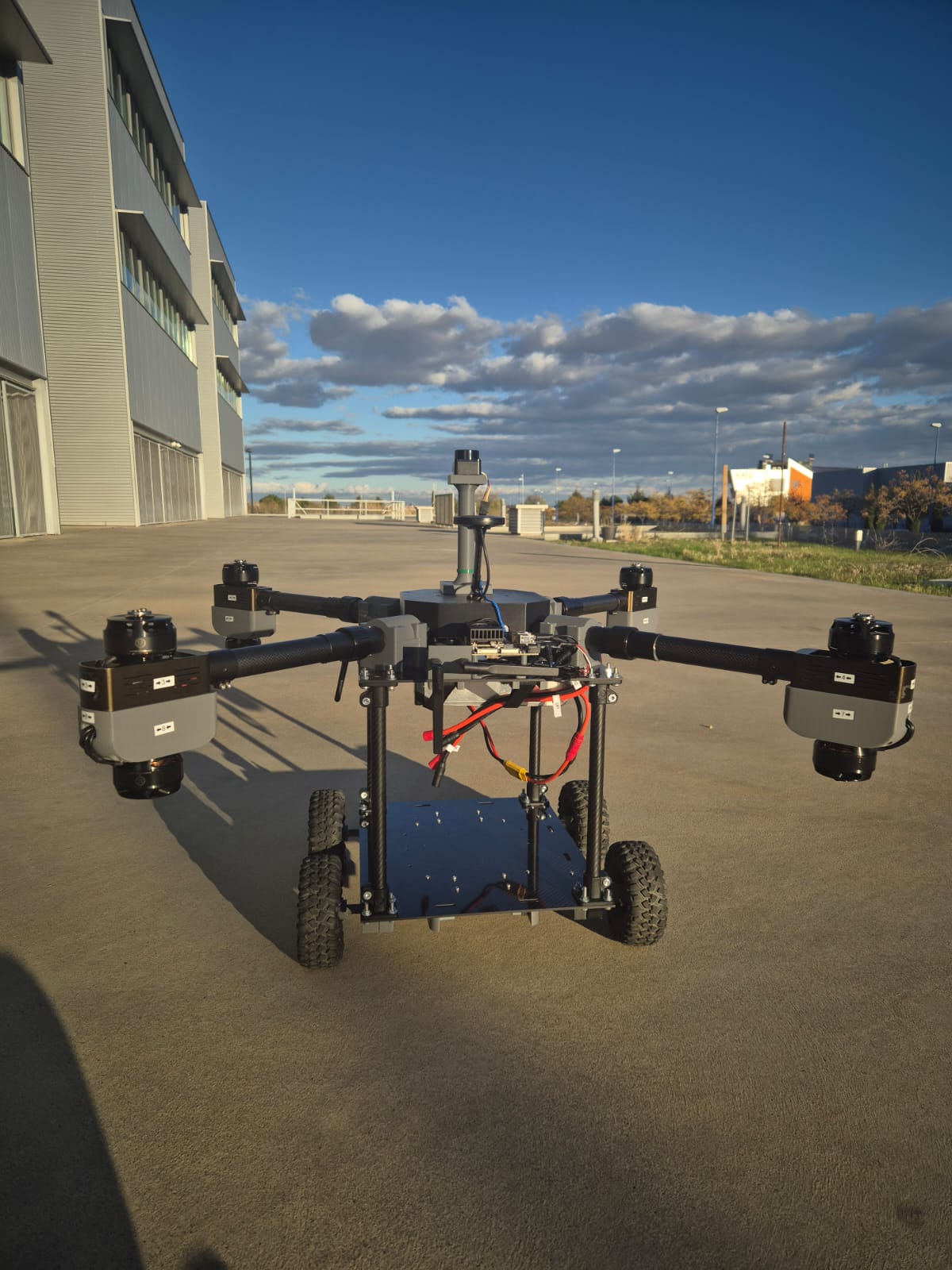
We tested obstacle avoidance by driving straight towards an obstacle and reacting in real time, using a controlled, repeatable setup that still reflects real-world conditions.
Why ground tests matter
There are geographical zones where drone flights are forbidden or require prior authorization, so ground validation lets development continue even when flying isn’t possible. This approach keeps our iteration cycles active while respecting airspace restrictions and regulatory requirements.
Key takeaways
-
Safer iteration cycles: Testing on the ground reduces risk during early-stage development.
-
More repeatable scenarios: Controlled environments allow precise replication of test conditions.
-
Faster tuning: Quick adjustments before moving to the next flight campaign.
Moving toward autonomy
Let’s shift from assisted operations to truly autonomous behavior—step by step. Ground testing is one more tool to accelerate that journey while maintaining safety and compliance in restricted areas.